
Common monsoon diseases in Gwalior: The monsoon season brings relief from summer heat in Gwalior, but it also increases the risk of several infectious and waterborne diseases. High humidity, waterlogging, stagnant water, and fluctuating temperatures create ideal conditions for bacteria, viruses, and mosquitoes to thrive. As a result, hospitals in Gwalior witness a rise in seasonal illnesses every year during the rainy months.
At KLM Hospital, Gwalior, doctors emphasize that early awareness, prevention, and timely medical care can significantly reduce complications related to monsoon diseases. This guide highlights the most common monsoon diseases in Gwalior, their symptoms, prevention tips, and when to seek medical attention.
Why Monsoon Increases Disease Risk in Gwalior
Gwalior’s monsoon climate, combined with urban waterlogging and humidity, increases exposure to infections. The most common contributing factors include:
- Stagnant water becoming mosquito breeding grounds
- Contaminated drinking water
- Increased bacterial growth due to humidity
- Reduced immunity due to sudden weather changes
Understanding these risks is the first step toward prevention.
1. Dengue Fever
Dengue is one of the most common and serious monsoon-related diseases in Gwalior. It is spread by the Aedes mosquito, which breeds in stagnant clean water.
Common Symptoms:
- High fever
- Severe headache and eye pain
- Body and joint pain
- Nausea and vomiting
- Sudden drop in platelet count
KLM Hospital Advice:
Early blood testing and monitoring are crucial. Do not self-medicate, especially with painkillers, as some medicines can worsen bleeding risk.
2. Malaria
Malaria remains a major concern during the rainy season, especially in areas with water accumulation.
Common Symptoms:
- Intermittent fever with chills
- Sweating
- Fatigue and weakness
- Headache
KLM Hospital Advice:
Prompt diagnosis through blood tests ensures effective treatment. Delaying care can lead to complications such as anemia and organ involvement.
3. Chikungunya
Chikungunya is another mosquito-borne viral illness commonly seen during monsoon in Gwalior.
Common Symptoms:
- Sudden high fever
- Severe joint pain and stiffness
- Muscle pain
- Rash
- Fatigue
Read More:
| Gwalior Physiotherapy Centers Near Me |
| Eye Specialist Near Morar, Gwalior |
| Gynecology Care in DD Nagar, Gwalior |
| Top Multispecialty Hospital Near Gole Ka Mandir |
KLM Hospital Advice:
Joint pain may persist for weeks if not managed properly. Early medical care helps reduce long-term discomfort and supports faster recovery.
4. Viral Fever and Flu
Sudden temperature changes during monsoon often lead to viral infections.
Common Symptoms:
- Mild to high fever
- Cold and cough
- Body aches
- Sore throat
- Weakness
KLM Hospital Advice:
Most viral fevers resolve with supportive care, but persistent fever beyond three days requires medical evaluation to rule out dengue or malaria.
We Are Powered By Argusdna Best Digital Marketing Company, Also Guided By Dr Vipin Garg, Best Orthopedician In Gwalior.
5. Typhoid Fever
Typhoid spreads through contaminated food and water, a common issue during the rainy season.
Common Symptoms:
- Prolonged fever
- Abdominal pain
- Loss of appetite
- Diarrhea or constipation
- Weakness

KLM Hospital Advice:
Blood tests help confirm typhoid early. Complete the full course of antibiotics as prescribed to prevent recurrence.
6. Gastrointestinal Infections
Monsoon increases the risk of stomach infections due to contaminated water and unhygienic food.
Common Symptoms:
- Diarrhea
- Vomiting
- Stomach cramps
- Dehydration
KLM Hospital Advice:
Hydration is critical. Severe diarrhea, especially in children and elderly patients, requires immediate medical attention.
7. Skin and Fungal Infections
High humidity during monsoon leads to fungal and bacterial skin infections.
Common Symptoms:
- Itching and rashes
- Red or white patches on skin
- Burning sensation
- Scaling or peeling
KLM Hospital Advice:
Avoid self-treatment. Early diagnosis prevents spread and recurrence.
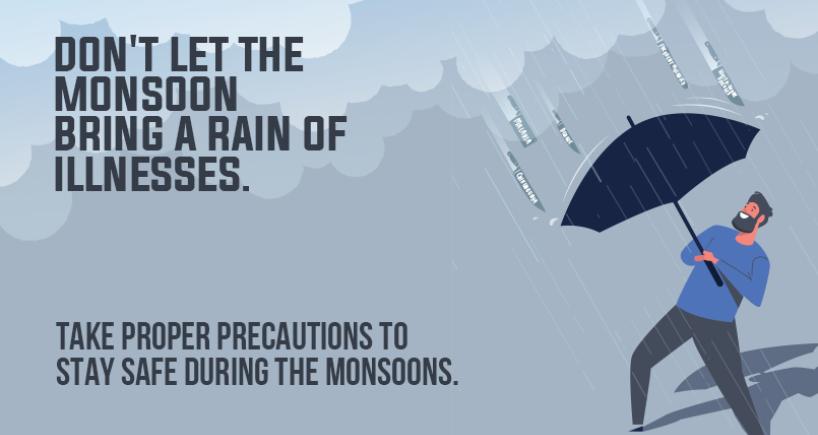
Preventive Measures Recommended by KLM Hospital
KLM Hospital strongly emphasizes prevention during the monsoon season.
Key Preventive Tips:
- Do not allow water to stagnate around homes
- Use mosquito repellents and nets
- Wear full-sleeve clothing
- Drink only boiled or filtered water
- Avoid roadside and uncovered food
- Wash hands frequently
- Keep surroundings clean and dry
Small preventive steps can significantly reduce disease risk.

When to Visit a Doctor Immediately
Do not delay medical care if you experience:
- Fever lasting more than two days
- Sudden drop in energy levels
- Bleeding gums or bruising
- Severe abdominal pain
- Persistent vomiting or diarrhea
- Joint pain with swelling
Early diagnosis saves lives and prevents complications.
How KLM Hospital Helps During Monsoon Season
KLM Hospital is fully prepared to manage seasonal diseases with:
- Experienced general physicians
- Advanced diagnostic laboratories
- Emergency and inpatient care
- Continuous monitoring for dengue and malaria
- Patient education and preventive guidance
Residents from Thatipur, City Center, DD Nagar, Lashkar, Morar, and surrounding areas trust KLM Hospital for timely and ethical medical care during monsoon.
Special Care for Children and Elderly Patients
Children and senior citizens are more vulnerable to monsoon infections. KLM Hospital provides special monitoring, dosage accuracy, and supportive care for high-risk age groups.
Stay Monsoon-Ready with KLM Hospital
Monsoon diseases are preventable when awareness meets timely care. KLM Hospital encourages residents of Gwalior to remain vigilant, follow hygiene practices, and seek medical help at the earliest sign of illness.
Your health should never wait.
Visit KLM Hospital, Gwalior
Protect yourself and your family this monsoon season.
Visit KLM Hospital, Saraswati Nagar, University Road, Thatipur, Gwalior
Consult experienced doctors for fever and seasonal illness
Contact the hospital for OPD appointments or emergency care
Stay safe. Stay informed. Stay healthy with KLM Hospital.